
Small office interior design sets the stage for this enthralling narrative, offering readers a glimpse into a story that is rich in detail and brimming with originality. From space optimization strategies to furniture selection and arrangement, this topic delves into the importance of well-designed small office interiors and the challenges faced in creating them.
Introduction to Small Office Interior Design
Small office spaces are typically limited in square footage, requiring careful planning and design to maximize functionality and aesthetics. In today's fast-paced work environment, the importance of well-designed small office interiors cannot be overstated. A thoughtfully designed workspace can boost productivity, creativity, and overall employee satisfaction.
Challenges in Small Office Interior Design
Designing small office interiors comes with its own set of challenges. Some common hurdles include:
- Limited Space: Small offices often have limited square footage, making it challenging to fit all necessary furniture and equipment without feeling cramped.
- Storage Solutions: Finding efficient storage solutions in small office spaces can be tricky, as there is a need to balance functionality with aesthetics.
- Lighting: Proper lighting is crucial in any workspace, but small offices may struggle with natural light sources and adequate artificial lighting placement.
- Privacy Concerns: Maintaining privacy in a small office setting can be challenging, especially with open floor plans that are popular in modern office design.
Space Optimization Strategies
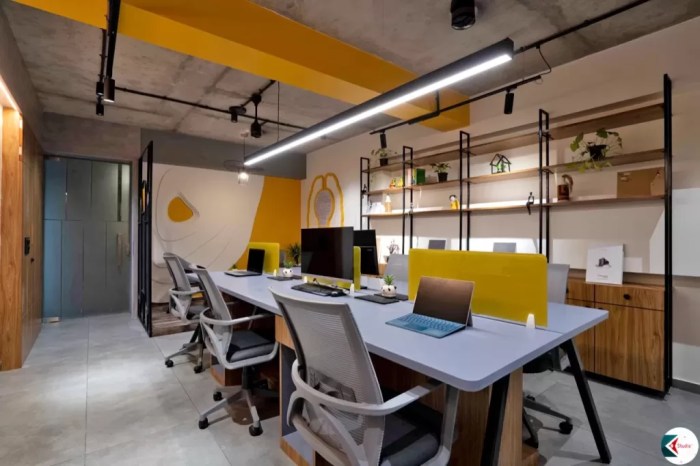
When designing a small office space, it is essential to utilize every inch efficiently to create a functional and visually appealing environment. Implementing space optimization strategies can help maximize the available space and improve productivity in the workplace.
Furniture Layout Techniques
- Consider using multi-functional furniture pieces such as desks with built-in storage or foldable tables to save space.
- Place furniture strategically to create designated work areas while maintaining an open and airy feel in the office.
- Opt for sleek and compact furniture designs to avoid overcrowding the space and ensure easy movement within the office.
Appropriate Lighting Solutions
- Choose lighting fixtures that provide sufficient illumination without taking up valuable space, such as recessed lighting or wall sconces.
- Utilize natural light by positioning workstations near windows to create a bright and inviting atmosphere in the office.
- Consider using task lighting for individual workstations and ambient lighting for overall illumination to enhance productivity and reduce eye strain.
Color Schemes for Illusion of Space
- Opt for light and neutral color palettes to make the office space appear larger and more open.
- Use accent colors sparingly to add visual interest without overwhelming the small space.
- Consider incorporating mirrors or reflective surfaces to bounce light around the room and create a sense of depth in the office.
Furniture Selection and Arrangement
When it comes to small office spaces, selecting the right furniture and arranging it strategically can make a significant difference in both functionality and aesthetics. Here are some key points to consider:
Types of Furniture Ideal for Small Office Spaces
- Choose multipurpose furniture: Opt for pieces that can serve more than one function, such as a desk with built-in storage or a filing cabinet that doubles as a side table.
- Opt for space-saving furniture: Look for compact options like nesting tables, foldable chairs, or wall-mounted desks to maximize space efficiency.
- Utilize vertical space: Consider tall bookshelves or storage units to make use of vertical space and keep the floor area open.
Recommendations for Ergonomic Furniture Suitable for Compact Offices
- Invest in an adjustable chair with proper lumbar support to ensure comfort during long working hours.
- Choose a height-adjustable desk to allow for both sitting and standing work positions, promoting better posture and reducing strain.
- Consider ergonomic keyboard trays and monitor arms to create a more comfortable and efficient work setup.
Creative Ways to Arrange Furniture to Enhance Productivity and Aesthetics
- Create distinct zones: Define separate areas for different tasks, such as a workstation, meeting area, and storage space, to improve workflow.
- Use lighting strategically: Position desks near natural light sources and incorporate task lighting to reduce eye strain and boost productivity.
- Consider flexible layouts: Experiment with various furniture arrangements to find the most functional and visually appealing setup for your space.
Storage Solutions for Small Offices
When it comes to small office spaces, finding the right storage solutions is crucial for maintaining a productive and organized work environment. Let's explore some innovative ideas for storing office supplies and documents efficiently.
Shelving Solutions
- Wall-mounted shelves can help maximize vertical space and keep items off the floor.
- Adjustable shelving units provide flexibility to accommodate various sizes of items.
- Consider using floating shelves for a sleek and modern look while still adding storage space.
Cabinet Options
- Vertical filing cabinets are ideal for storing documents and keeping them organized.
- Mobile file cabinets offer flexibility and can be moved around as needed.
- Overhead cabinets help keep clutter off desks and provide additional storage space.
Multifunctional Furniture
- Invest in desks with built-in storage compartments to maximize space efficiency.
- Storage ottomans can serve as seating as well as a place to store files or office supplies.
- Modular furniture pieces can be rearranged to create custom storage solutions for changing needs.
Remember, decluttering and organizing regularly is key to maintaining a tidy workspace and making the most of your small office environment.
Technology Integration in Small Office Design
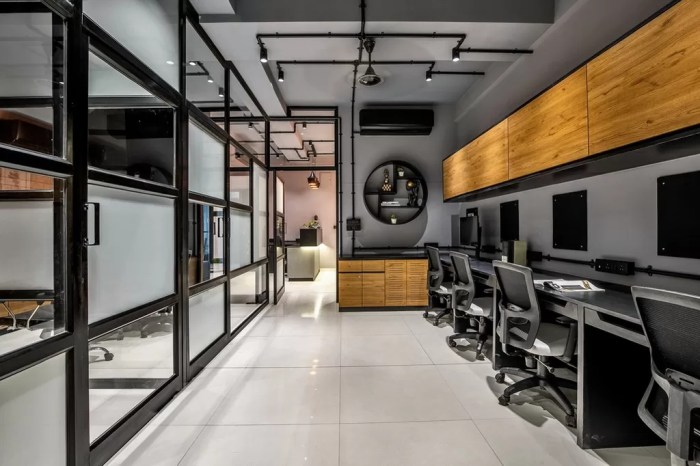
As technology continues to play a crucial role in modern work environments, it is essential to seamlessly integrate tech gadgets and tools into small office designs without compromising aesthetics. This not only enhances productivity but also creates a more efficient and organized workspace.
Essential Tech Gadgets and Tools
When setting up a small office, consider incorporating the following essential tech gadgets and tools:
- Computers/laptops: Provide employees with the necessary hardware to perform their tasks efficiently.
- Printers/scanners: Opt for compact and wireless options to save space.
- Wireless routers: Ensure a stable internet connection for seamless communication and work processes.
- Docking stations: Simplify connectivity for multiple devices.
Seamless Integration into Design
To seamlessly integrate technology into the design of a small office, consider the following tips:
- Choose furniture with built-in cable management systems to conceal wires and maintain a clean look.
- Opt for multi-functional furniture pieces that can accommodate tech gadgets while serving other purposes.
- Position tech gadgets strategically to optimize workflow and accessibility.
Concealing Cables and Wires
Keeping cables and wires organized and out of sight is crucial for a clean and organized workspace. Here are some tips for concealing cables:
- Use cable management solutions such as cable trays, clips, and ties to keep wires neatly organized.
- Consider using cable sleeves or covers to hide wires along walls or under desks.
- Label cables to easily identify and manage them, reducing the risk of tangles and confusion.
Epilogue
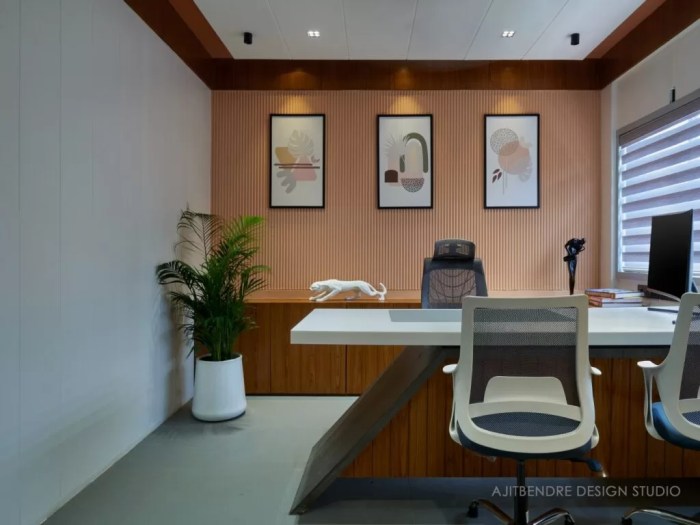
In conclusion, small office interior design plays a crucial role in creating functional and visually appealing workspaces. By optimizing space, selecting the right furniture, implementing effective storage solutions, and integrating technology seamlessly, small offices can become efficient hubs of productivity.
Q&A
What are some common challenges in small office interior design?
Common challenges include limited space, balancing aesthetics with functionality, and finding storage solutions for small offices.
How can color schemes help create an illusion of space in small office interiors?
Light colors and neutrals can make a small office appear larger, while strategic use of accent colors can add depth and visual interest.
What types of furniture are ideal for small office spaces?
Space-saving furniture like modular desks, wall-mounted shelves, and multifunctional pieces are ideal for small office spaces.