

Embarking on the journey to find reliable siding contractors near me opens up a world of possibilities and choices. From researching different materials to hiring the perfect contractor, this guide covers all you need to know for a successful siding project.
Exploring the realm of siding contractors near me will lead you to a wealth of information and insights, ensuring that your home improvement project is in good hands.
Researching Siding Contractors
When looking to hire siding contractors for your home, it's important to do thorough research to ensure you find a reliable and reputable professional. Here are some tips on how to research siding contractors effectively:
Searching Online
- Start by searching online for siding contractors in your local area. Use search engines like Google or Bing to find a list of contractors near you.
- Visit the websites of the siding contractors to learn more about their services, experience, and contact information.
Reviews and Ratings
- Check online review platforms such as Yelp, Angie's List, or Google Reviews to read feedback from previous customers about their experiences with the siding contractors.
- Look for contractors with high ratings and positive reviews, as this can be a good indicator of their quality of work and customer satisfaction.
Verify Credibility
- Verify the licensing and insurance of the siding contractors to ensure they are qualified to work on your home.
- Ask for references from the contractors and follow up with past clients to get feedback on their workmanship and professionalism.
- Request a written estimate from multiple contractors to compare prices and services offered before making a decision.
Types of Siding Materials
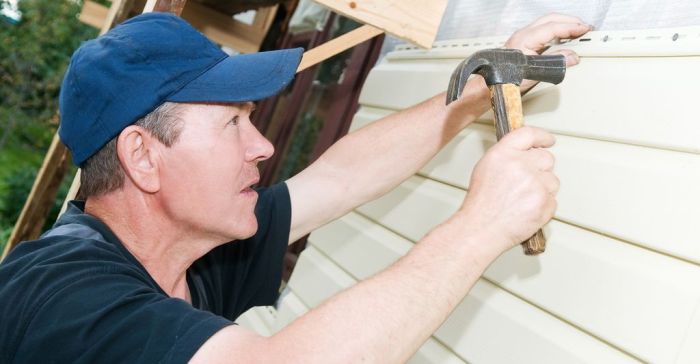
When it comes to choosing the right siding material for your home, there are several options available. Each type of siding material has its own unique benefits in terms of durability and aesthetics.
Vinyl Siding
Vinyl siding is one of the most popular choices for homeowners due to its low maintenance requirements and affordability. It comes in a variety of colors and styles, making it a versatile option for any home. Additionally, vinyl siding is durable and can withstand harsh weather conditions without fading or rotting.
Fiber Cement Siding
Fiber cement siding is known for its strength and durability. It is resistant to fire, insects, and rot, making it a long-lasting option for homeowners. Fiber cement siding can also mimic the look of wood or stucco, adding a touch of elegance to your home.
Wood Siding
Wood siding offers a classic, natural look that many homeowners love. Cedar and redwood are popular choices for wood siding due to their natural resistance to decay and insects. However, wood siding requires more maintenance than other materials, as it needs to be regularly stained or painted to protect it from the elements.
Aluminum Siding
Aluminum siding is a lightweight and durable option that is resistant to rust and corrosion. It is also easy to maintain and can last for many years with proper care. Aluminum siding is available in a variety of colors and styles, giving homeowners flexibility in choosing the look they desire.
Stone Veneer Siding
Stone veneer siding provides a luxurious and elegant appearance to any home. It is durable and can withstand extreme weather conditions. Stone veneer siding is also low maintenance and can last for many years, adding value to your home.
Hiring Siding Contractors
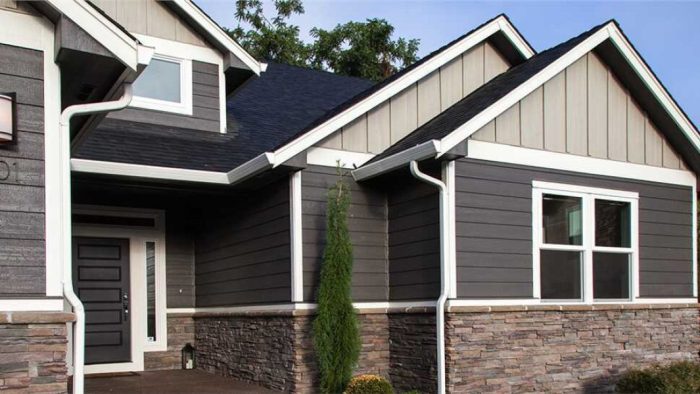
When it comes to hiring siding contractors for your project, it is essential to choose the right one to ensure a successful outcome. Here is a step-by-step guide to help you select the best siding contractor, compare pricing models, and watch out for red flags during the hiring process.
Selecting the Best Siding Contractor
- Research and gather a list of potential siding contractors in your area.
- Check their credentials, certifications, and licenses to ensure they are qualified to do the job.
- Read reviews and testimonials from previous clients to gauge their reputation and quality of work.
- Request quotes from multiple contractors to compare pricing and services offered.
- Interview the contractors to discuss your project requirements, timeline, and budget.
- Ask for references and follow up with past clients to get feedback on their experiences.
- Select a contractor who is responsive, transparent, and has a solid track record of delivering quality work.
Comparing Pricing Models
- Some siding contractors may offer a fixed price for the entire project, including materials and labor.
- Others may provide a cost-plus pricing model, where you pay for the materials and labor separately, with an added percentage for profit and overhead.
- Be sure to compare pricing models and ask for a detailed breakdown of costs to understand what you are paying for.
Red Flags to Watch Out For
- Avoid contractors who ask for full payment upfront or pressure you to sign a contract immediately.
- Be wary of contractors who lack proper insurance or refuse to provide references from past clients.
- Watch out for contractors who have a history of incomplete projects, delays, or poor communication.
- If a contractor offers significantly lower prices than others, it could be a sign of subpar materials or workmanship.
- Trust your instincts and choose a contractor who makes you feel comfortable, informed, and confident in their abilities.
Siding Installation Process
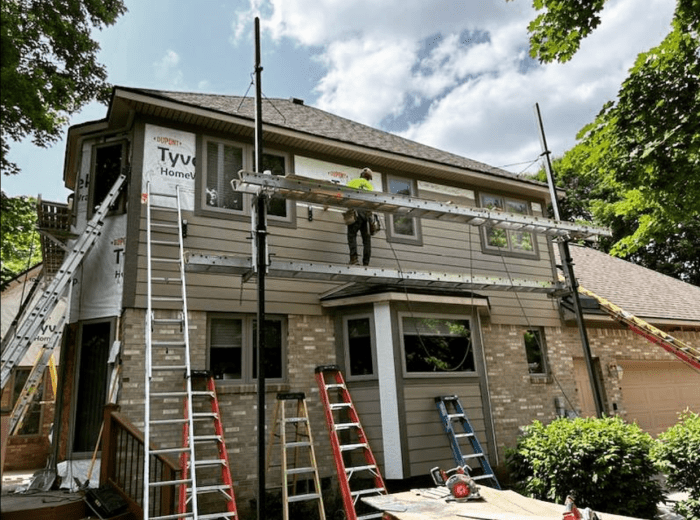
When it comes to siding installation, contractors follow a systematic process to ensure a smooth and efficient project completion. This process involves several steps that are crucial in achieving a high-quality finish and long-lasting results.
Typical Steps in Siding Installation Process
- Site Inspection: The first step is to assess the property and determine the amount of siding needed, as well as any repairs or preparations that may be required.
- Preparation: Contractors will prepare the site by removing old siding, repairing any damaged areas, and ensuring a clean and level surface for the new siding installation.
- Installation: The siding materials are then installed according to manufacturer guidelines, ensuring proper alignment, spacing, and fastening for a secure fit.
- Trim and Finish: Once the siding is in place, contractors will add trim pieces, corner caps, and other finishing touches to complete the look and ensure a cohesive appearance.
- Quality Check: Before completion, contractors perform a thorough inspection to check for any defects, ensure proper installation, and address any final touch-ups needed.
Timeline for Completing a Siding Installation Project
While the timeline for a siding installation project can vary depending on the size of the property, weather conditions, and other factors, most projects can be completed within a few weeks.
Quality Control during Siding Installation
- Supervision: Contractors assign a project manager or supervisor to oversee the installation process and ensure that all work is done according to industry standards.
- Use of Quality Materials: Contractors use high-quality siding materials and accessories to ensure durability and longevity of the installation.
- Adherence to Manufacturer Guidelines: Contractors follow manufacturer guidelines for installation to ensure that the siding performs as intended and maintains its warranty.
- Final Inspection: Before completing the project, contractors conduct a final inspection to verify that the siding is properly installed and meets all quality standards.
Final Wrap-Up
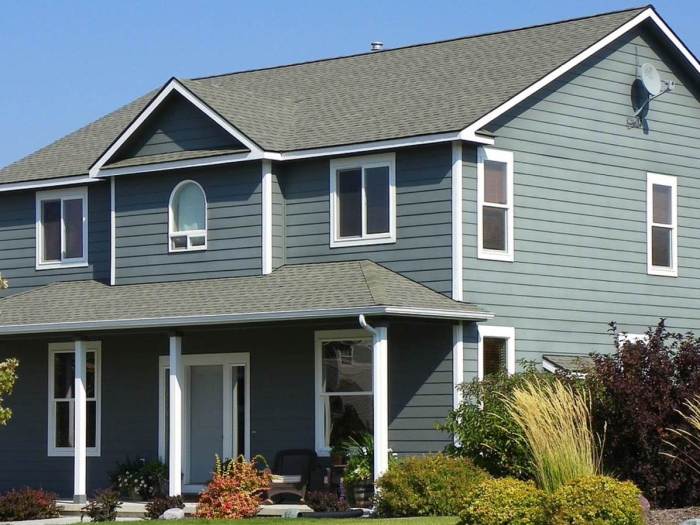
In conclusion, the realm of siding contractors near me offers a myriad of options and considerations for homeowners looking to enhance their property. By following the guidelines provided in this guide, you can navigate this process with confidence and achieve the results you desire.
Answers to Common Questions
How do I find the best siding contractor near me?
To find the best siding contractor near you, start by researching online, checking reviews and ratings, and verifying their credibility through references or past work examples.
What are some popular siding materials used by contractors?
Popular siding materials include vinyl, wood, fiber cement, and metal. Each material has its own benefits in terms of durability and aesthetics.
How can I ensure quality control during the siding installation process?
You can ensure quality control by discussing expectations with your contractor, monitoring the progress closely, and addressing any concerns promptly.