
Siding construction is a crucial aspect of any building project, determining not just its appearance but also its durability. From the different materials used to the installation process and maintenance requirements, there's a lot to consider in the world of siding construction.
Let's dive in and uncover the essentials of this foundational element in construction.
Types of Siding Materials
When it comes to siding materials used in construction, there are several popular options to choose from. Each type of siding material has its own set of pros and cons, as well as different levels of durability and maintenance requirements.
Vinyl Siding
Vinyl siding is one of the most commonly used materials due to its affordability and low maintenance requirements. It is available in a wide range of colors and styles, making it a versatile option for homeowners. However, vinyl siding may crack or fade over time, and it is not as durable as some other materials.
Wood Siding
Wood siding is known for its natural beauty and timeless appeal. It can be painted or stained in various colors to suit different architectural styles. While wood siding is durable, it requires regular maintenance such as painting or staining to prevent rot and decay.
Additionally, wood siding is more susceptible to insect damage.
Fiber Cement Siding
Fiber cement siding is a durable and low-maintenance option that can mimic the look of wood or stucco. It is resistant to rot, fire, and insects, making it a long-lasting choice for homeowners. However, fiber cement siding is heavier and more difficult to install compared to other materials.
Metal Siding
Metal siding, such as aluminum or steel, is known for its strength and durability. It is resistant to fire, rot, and insect damage, making it a popular choice for areas prone to extreme weather conditions. However, metal siding can dent or scratch easily, and it may require repainting over time to maintain its appearance.
Brick Siding
Brick siding is a classic option that offers excellent durability and insulation properties. It is resistant to fire, rot, and insect damage, making it a long-lasting choice for homeowners. However, brick siding can be expensive to install and repair, and it may require regular cleaning to prevent moss or mildew growth.
Siding Installation Process
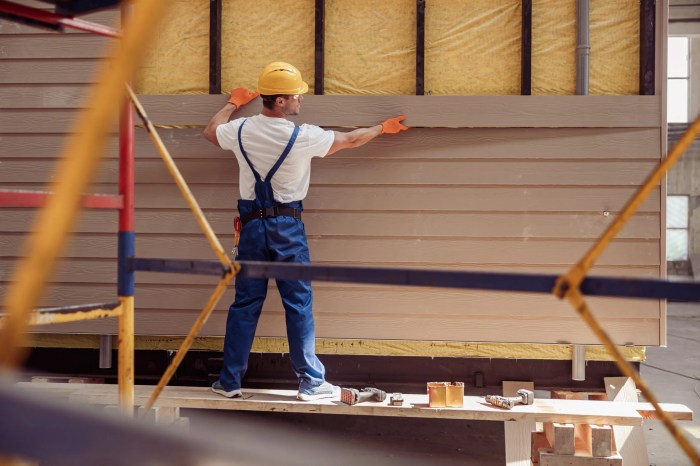
Installing siding on a building involves several steps, tools, and equipment to ensure a successful outcome. Understanding the process and being prepared for potential challenges can help make the installation smoother and more efficient.
Steps in Siding Installation
- Prepare the surface: Ensure the exterior of the building is clean, dry, and free of any debris before starting the installation.
- Measure and cut siding panels: Accurately measure the dimensions of the area where the siding will be installed and cut the panels accordingly.
- Install corner pieces: Begin by installing corner pieces to provide a starting point for the siding panels.
- Attach siding panels: Secure the siding panels to the exterior of the building using appropriate fasteners and following the manufacturer's guidelines.
- Finish with trim and accessories: Complete the installation by adding trim pieces, J-channels, and other accessories to ensure a polished look.
Tools and Equipment Needed
- Hammer or nail gun: For attaching siding panels to the building.
- Tape measure and chalk line: To accurately measure and mark where siding panels will be installed.
- Saw or siding cutter: For cutting siding panels to the correct size.
- Ladder or scaffolding: To reach higher areas of the building safely.
- Caulk and sealant: To weatherproof and seal gaps in the siding installation.
Common Challenges and Solutions
- Uneven surfaces: If the building exterior is not flat or even, use furring strips or shims to create a smooth surface for the siding installation.
- Weather conditions: Install siding on dry, mild days to ensure proper adhesion and minimize the risk of water damage.
- Matching existing siding: If replacing damaged siding, take care to match the color and style of the existing siding for a cohesive look.
Siding Design and Styles
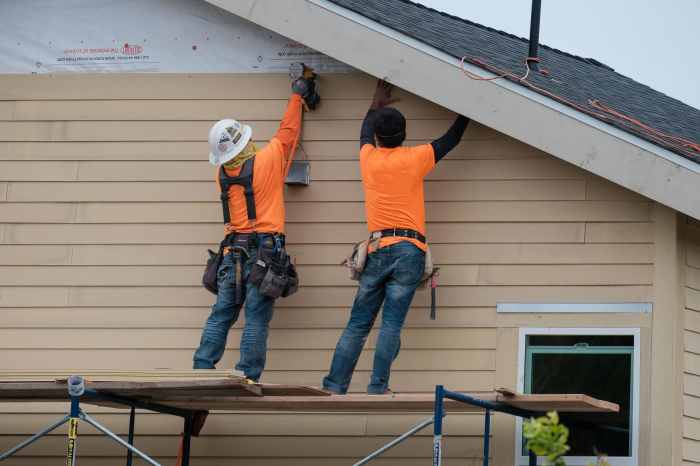
When it comes to siding design and styles, there are numerous options available that can significantly impact the overall aesthetics of a building. Choosing the right siding design is essential as it can enhance the curb appeal, complement the architectural style, and reflect personal preferences.
Different Design Options
- Vertical Siding: Creates a unique and modern look, suitable for contemporary or industrial-style buildings.
- Horizontal Siding: Traditional and versatile, fits well with most architectural styles.
- Board and Batten: Adds texture and depth, perfect for rustic or farmhouse-style homes.
- Shingle Siding: Mimics the look of cedar shingles, ideal for coastal or cottage-style houses.
Impact on Aesthetics
The choice of siding design can greatly impact the overall aesthetics of a building. For example, vertical siding can make a structure appear taller, while horizontal siding can visually widen it. Board and batten siding can add a charming and rustic touch, while shingle siding can evoke a cozy and inviting feel.
Choosing the Right Design
- Consider Architectural Style: Match the siding design with the architectural style of the building for a cohesive look.
- Personal Preferences: Take into account your personal style and preferences when selecting a siding design.
- Visualize the Outcome: Use design tools or consult with professionals to visualize how different siding designs will look on your property.
Siding Maintenance and Repair
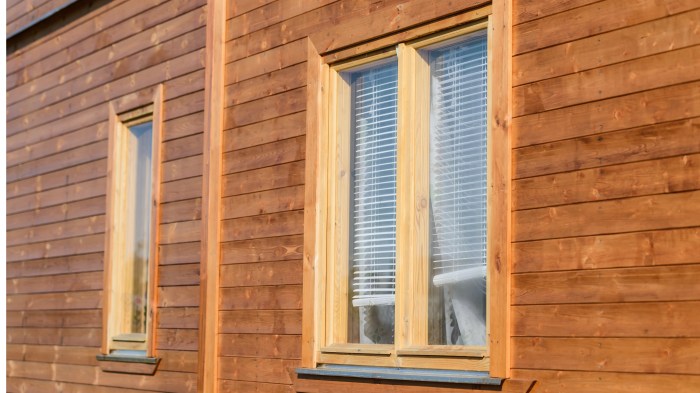
Maintaining and repairing siding is crucial to preserving the integrity and appearance of your home. By following proper maintenance practices and addressing issues promptly, you can prolong the lifespan of your siding and prevent costly repairs in the future.To keep your siding in good condition, regular cleaning is essential.
Use a mild detergent and a soft brush or cloth to remove dirt, mold, and mildew. Inspect the siding for any signs of damage such as cracks, warping, or discoloration. Addressing these issues early can prevent further damage and extend the life of your siding.
Identifying Common Siding Issues
- Cracks: Inspect the siding for any cracks, which can allow moisture to seep in and cause damage.
- Warping: Warped siding can be a sign of moisture infiltration or improper installation.
- Mold and Mildew: Keep an eye out for mold and mildew growth, which can deteriorate the siding material.
- Discoloration: Fading or discoloration of siding can indicate sun damage or moisture issues.
Repair vs. Replacement
- Minor Damage: Small cracks or chips can often be repaired with caulk or paint to prevent further deterioration.
- Major Damage: Extensive warping or large cracks may require replacement of the affected siding panels.
Cleaning and Painting Siding
- Cleaning: Use a mixture of water and mild detergent to clean siding, and rinse thoroughly with water.
- Painting: Choose a high-quality exterior paint specifically formulated for the type of siding material you have.
- Repairing: Fill cracks and holes with caulk or putty, and repaint the affected area to match the existing siding.
Environmental Impact of Siding
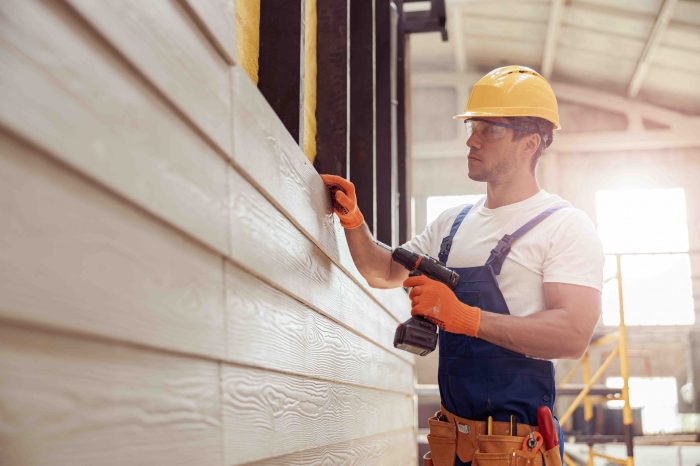
When it comes to siding materials, considering the environmental impact is crucial. Different materials have varying levels of sustainability and eco-friendliness. Let's explore the environmental considerations of various siding options and compare their impact.
Sustainability of Siding Materials
It's essential to assess the sustainability of siding materials to make an informed decision. Here's a comparison of the environmental impact of common siding materials:
- Vinyl Siding: While durable and low maintenance, vinyl siding is not biodegradable and can release toxic chemicals during production and disposal.
- Wood Siding: Natural and renewable, wood siding can be sustainably sourced but may require regular maintenance and treatment to prevent decay.
- Fiber Cement Siding: Made from a mix of cement, sand, and cellulose fibers, fiber cement siding is durable and fire-resistant but has a higher carbon footprint due to production processes.
- Metal Siding: Recyclable and long-lasting, metal siding can be a sustainable option depending on the material used, with aluminum being a more eco-friendly choice.
Eco-Friendly Siding Alternatives
For those looking for more environmentally friendly siding options, there are several alternatives that offer sustainability benefits:
- Reclaimed Wood Siding: Using reclaimed or salvaged wood can reduce the demand for new materials and minimize waste.
- Cork Siding: Cork is a renewable resource harvested from the bark of cork oak trees without harming the tree, making it a sustainable siding option.
- Bamboo Siding: Bamboo grows rapidly and is considered a highly renewable material, making bamboo siding an eco-friendly choice.
Final Review
As we conclude our exploration into siding construction, it's evident that this facet of building design holds significant importance. From choosing the right materials to maintaining and repairing siding, every step plays a role in the longevity and aesthetic appeal of a structure.
Dive into the world of siding construction armed with knowledge and make informed decisions for your next project.
FAQ Summary
What are the most popular siding materials?
Common siding materials include vinyl, wood, fiber cement, and metal.
What tools are needed for siding installation?
Tools like a saw, hammer, level, measuring tape, and utility knife are essential for siding installation.
How can I choose the right siding design for my building?
Consider the architectural style of your building and your personal preferences to choose a siding design that complements the overall look.
When should siding be repaired or replaced?
Siding should be repaired or replaced when there are signs of damage like cracks, rot, or warping that compromise its functionality.
What are some eco-friendly siding alternatives?
Eco-friendly siding options include recycled wood, fiber cement, and engineered wood.