
As labor for vinyl siding takes center stage, this guide delves into the intricate process of installing vinyl siding, shedding light on the skills, tools, and techniques required for a successful installation. From exploring the labor aspect to discussing common challenges and solutions, this overview aims to provide a comprehensive understanding of labor for vinyl siding.
In the following sections, we will delve deeper into the labor aspect of vinyl siding installation, covering everything from essential tools and equipment to best practices and innovative techniques that can enhance the efficiency and quality of the installation process.
Labor for Vinyl Siding
Installing vinyl siding involves several steps where labor plays a crucial role. Let's delve into the details of the labor aspect of vinyl siding installation.
Typical Process for Installing Vinyl Siding
- Preparation of the exterior surface by cleaning and possibly repairing any damage.
- Measurement and cutting of siding panels to fit the dimensions of the home.
- Securing the panels to the walls using nails or clips.
- Ensuring proper overlap and alignment for a seamless look.
- Adding finishing touches like trim and accessories.
Skills and Expertise Required
- Knowledge of proper installation techniques and tools.
- Ability to work accurately and efficiently to ensure a professional finish.
- Experience in measuring, cutting, and securing siding panels.
- Understanding of building codes and safety regulations.
Time and Effort for Labor
- For a standard-sized home, the labor involved in installing vinyl siding can take several days to complete.
- Factors like weather conditions and the complexity of the project can affect the timeline.
- Effort is required in handling heavy siding panels, climbing ladders, and working at heights.
Cost Comparison
- Professional labor for vinyl siding installation can cost between $2,000 to $8,000, depending on the size of the home and scope of work.
- DIY approaches can save on labor costs but may require more time and effort, as well as potential risks if not done correctly.
- Consider the trade-off between cost savings and the expertise of professionals when deciding on the installation approach.
Tools and Equipment
When it comes to labor for vinyl siding installation, having the right tools and equipment is crucial for a successful outcome. These items not only make the process more efficient but also ensure the safety of the workers involved.
Essential Tools and Equipment
- Vinyl siding panels
- Hammer
- Nails or screws
- Tape measure
- Utility knife
- J-channel
- Level
- Caulk gun
- Ladder
Safety Measures
- Always wear appropriate safety gear such as gloves, goggles, and work boots.
- Ensure that ladders are stable and placed on a flat surface before climbing.
- Use caution when handling sharp tools like utility knives to prevent accidents.
- Follow manufacturer's guidelines for the safe use of power tools if required.
Specialized Tools for Efficiency
- Vinyl siding cutting tools for precise cuts
- Siding removal tool for easier panel removal
- Snap lock punch for securing panels in place
- Nail gun for faster installation
Impact of Tool Quality
Using high-quality tools can significantly impact the overall outcome of vinyl siding installation. Dull blades or malfunctioning equipment can lead to errors, delays, and even safety hazards. Investing in quality tools ensures a smoother and more professional installation process.
Techniques and Best Practices
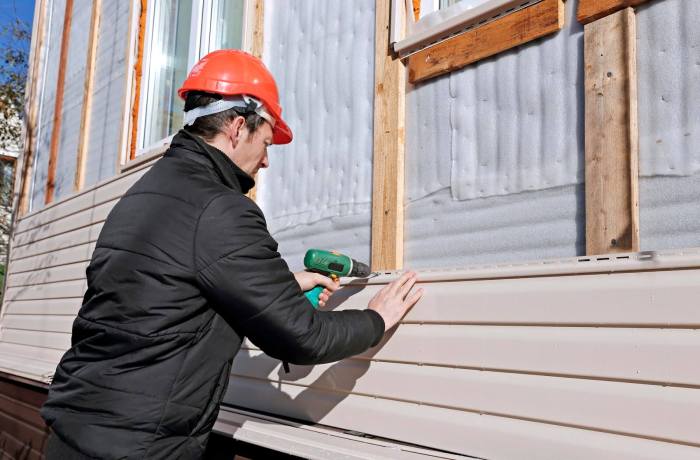
Vinyl siding installation requires specific techniques and best practices to ensure a successful outcome. Professionals in the field rely on tried-and-true methods to achieve seamless and durable results.
Common Techniques Used by Professionals
- Start from the bottom up: Professionals begin installing vinyl siding from the bottom and work their way up to ensure proper alignment and water resistance.
- Overlap correctly: Properly overlapping each siding panel is crucial to prevent water infiltration and maintain the structural integrity of the installation.
- Use a snap-lock punch: This tool helps create tabs on the siding panels, allowing for a secure and tight fit during installation.
- Cutting techniques: Professionals use specialized tools like tin snips or a utility knife to accurately cut siding panels to fit around windows, doors, and corners.
Weather Conditions and Precautions
Weather conditions can significantly impact the labor process of vinyl siding installation. Extreme temperatures, high winds, or rain can affect the material and installation quality. To mitigate these risks, professionals take the following precautions:
- Avoid installing in extreme heat: High temperatures can cause vinyl siding to expand, leading to buckling. It's best to install during moderate weather conditions.
- Secure siding during windy conditions: Strong winds can dislodge siding panels, so professionals ensure proper fastening and use additional measures to secure the installation.
- Wait for dry weather: Rain can affect the adhesion of siding panels and compromise the overall installation. It's essential to wait for dry weather before starting the project.
Best Practices for Seamless Installation
- Properly prepare the surface: Ensure the underlying surface is clean, smooth, and free of any debris before installing vinyl siding.
- Follow manufacturer's instructions: Adhere to the guidelines provided by the siding manufacturer to guarantee a proper installation that meets industry standards.
- Inspect for defects: Before installation, inspect each siding panel for defects or damage to avoid issues during or after the installation process.
Innovative Approaches for Labor Efficiency
- Use of nail guns: Professionals have started using nail guns for faster and more efficient installation, reducing manual labor and improving overall productivity.
- Pre-cutting panels: Pre-cutting siding panels to the required dimensions before installation can save time and streamline the process on-site.
Challenges and Solutions
Installing vinyl siding can come with its own set of challenges, but with the right approach and solutions, these obstacles can be overcome to ensure a successful outcome.
Uneven Surfaces and Structural Obstacles
One common challenge faced during vinyl siding installation is dealing with uneven surfaces or structural obstacles. This can lead to issues with proper alignment and fit of the siding panels.
- Use a leveling tool to identify the areas that need to be adjusted to create a smooth surface for installation.
- Add furring strips or shims to even out the surface and provide a stable base for the siding.
- Consider using foam insulation boards to fill in gaps and provide a level surface for the siding to be installed on.
Troubleshooting Common Problems
Even with careful planning, issues can arise during vinyl siding labor that may require troubleshooting to ensure a quality finish.
- If panels are not lining up properly, check for any obstructions or debris that may be causing the misalignment.
- Warped or damaged panels can be replaced with new ones to maintain consistency in appearance.
- Ensure proper nailing techniques are used to secure the siding in place and prevent any loose panels.
Maintaining Quality and Consistency
Despite facing challenges, it is important to maintain quality and consistency in the labor output to achieve a professional finish.
- Regularly inspect the work during installation to address any issues immediately and maintain a high standard of quality.
- Follow manufacturer guidelines and recommended techniques to ensure proper installation and longevity of the vinyl siding.
- Take the time to properly finish edges and corners for a polished look that enhances the overall appearance of the siding.
Final Wrap-Up
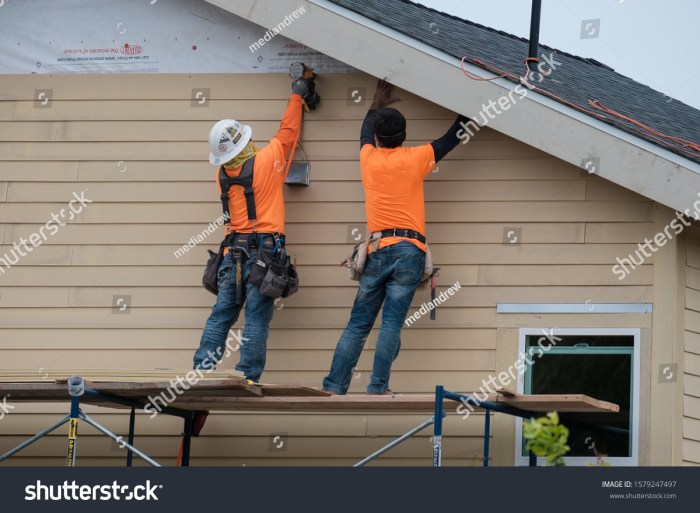
In conclusion, labor for vinyl siding demands a blend of expertise, precision, and dedication to ensure a flawless installation. By following the guidelines and recommendations Artikeld in this guide, both professionals and DIY enthusiasts can navigate the complexities of vinyl siding labor with confidence and achieve outstanding results.
Answers to Common Questions
What skills are required for workers handling vinyl siding installation?
Workers handling vinyl siding installation need to possess skills such as measuring and cutting accurately, understanding proper installation techniques, and ensuring attention to detail.
How do weather conditions affect the labor process of vinyl siding installation?
Extreme weather conditions can impact the installation process by affecting the adhesive properties of vinyl siding. It's crucial to schedule installations during favorable weather to ensure optimal results.
What are some common challenges faced during vinyl siding installation?
Common challenges include dealing with uneven surfaces, addressing structural obstacles, and troubleshooting issues like warped siding or incorrect measurements.
Can using specialized tools improve the efficiency of labor for vinyl siding installation?
Specialized tools can indeed streamline the installation process by enhancing accuracy, speed, and overall quality of work. Tools like a vinyl siding cutter or zip tool can make specific tasks easier and more efficient.