

Guastavino tile sets the stage for this enthralling narrative, offering readers a glimpse into a story that is rich in detail and brimming with originality. From its intriguing history to its unique characteristics, Guastavino tile holds a special place in architectural design.
As we delve deeper into the world of Guastavino tile, we uncover its traditional manufacturing process, architectural applications, structural benefits, and the challenges faced in restoration and preservation.
Introduction to Guastavino Tile
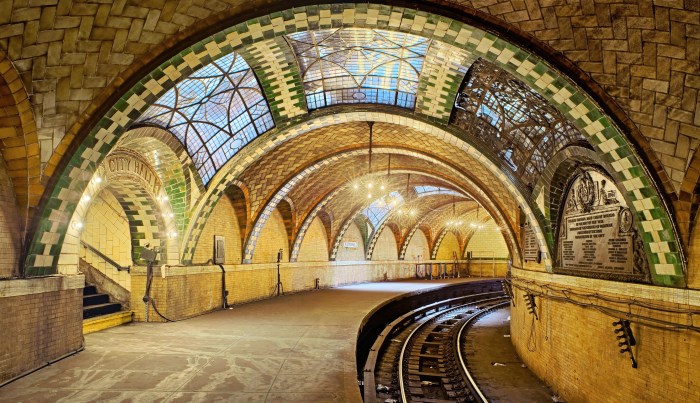
Guastavino tile is a unique architectural element that has a rich history dating back to the late 19th and early 20th centuries. It was popularized by the Guastavino Company, founded by Rafael Guastavino Moreno, a Spanish architect known for his innovative tile vaulting system.
These tiles are characterized by their interlocking design, creating strong, self-supporting structures that are both decorative and functional. The tiles are typically made of terracotta or clay and can be found in various architectural marvels around the world.
Characteristics and Unique Features
- Interlocking design for strength and stability
- Decorative patterns and textures
- Durable materials like terracotta and clay
- Fireproof and weather-resistant properties
Significance in Architectural Design
- Revolutionized the construction of domes, arches, and vaulted ceilings
- Allowed for larger open spaces without the need for additional support
- Influenced the design of iconic buildings such as Grand Central Terminal and the Boston Public Library
Manufacturing Process
Guastavino tiles are traditionally manufactured using a meticulous process that has been refined over generations. The process involves the careful selection of materials, precise shaping techniques, and expert setting methods to create these iconic architectural elements.
Materials Used
The materials used in creating Guastavino tiles typically include a mixture of clay, sand, and water. This combination is carefully blended to achieve the desired consistency and texture for the tiles. Additionally, additives such as lime or other stabilizers may be incorporated to enhance the durability and strength of the tiles.
Shaping and Setting Techniques
Once the clay mixture is prepared, it is shaped into individual tiles using molds or hand tools. The tiles are then dried to remove excess moisture before being fired in a kiln to harden the clay. After firing, the tiles are ready to be set in place using a special mortar or adhesive.
The precise fitting and placement of Guastavino tiles require skilled craftsmanship to ensure a seamless and durable finish.
Architectural Applications
Guastavino tile has been widely used in various architectural structures due to its unique properties and aesthetic appeal. The interlocking tiles are known for their strength, durability, and fire-resistant characteristics, making them a popular choice for both functional and decorative purposes in buildings.
Examples of Famous Buildings
Guastavino tile can be found in many iconic buildings and landmarks around the world. One of the most famous examples is the Grand Central Terminal in New York City, where the Guastavino tiles were used to create the beautiful vaulted ceilings.
Another notable example is the Boston Public Library, where the tiles were incorporated into the design of the main hall and staircase, adding a touch of elegance to the space.
Enhancing Aesthetic Appeal
The use of Guastavino tile in architectural designs not only adds structural integrity but also enhances the overall aesthetic appeal of the buildings. The intricate patterns and designs of the tiles create a visually stunning effect, making them a sought-after choice for architects looking to make a statement with their designs.
Whether used in ceilings, arches, or domes, Guastavino tiles bring a touch of timeless beauty to any architectural structure
Structural Benefits
Guastavino tile is renowned for its exceptional structural integrity and durability, making it a preferred choice for architects and engineers.
Advantages over Traditional Building Materials
- Guastavino tile is fire-resistant, which enhances the safety of the structure and reduces the risk of damage during fires.
- Its load-bearing capacity is impressive, allowing for the construction of large open spaces without the need for additional support columns.
- The tiles are resistant to mold, mildew, and pests, ensuring a longer lifespan for the building.
- Guastavino tile is also weather-resistant, making it suitable for various climatic conditions without deteriorating.
Contribution to Structural Stability
Guastavino tile plays a crucial role in enhancing the stability of architectural structures by distributing loads efficiently and evenly. The interlocking design of the tiles creates a strong bond, providing excellent support for the building's weight.
Restoration and Preservation
Restoring and preserving Guastavino tile in historical buildings is a meticulous process that requires expertise and careful attention to detail. These unique architectural elements are often found in iconic structures, and their preservation is essential to maintaining the historical integrity of the buildings.
Challenges in Preservation
Preserving Guastavino tile structures presents several challenges due to the delicate nature of the tiles and the complexity of the vaulting systems. The primary challenge lies in maintaining the structural integrity of the tiles while ensuring that the original design and craftsmanship are preserved.
- Ensuring proper cleaning and repair without damaging the tiles.
- Addressing issues of water damage and moisture infiltration.
- Recreating missing or damaged tiles to match the original design.
- Protecting against future deterioration and wear.
Successful Restoration Projects
Several successful restoration projects have showcased the beauty and durability of Guastavino tile. One notable example is the restoration of the Oyster Bar in Grand Central Terminal, where the intricate tile vaulting was meticulously repaired to its former glory.
Another remarkable project is the restoration of the Boston Public Library's Guastavino dome, which involved careful cleaning, repair, and reinforcement of the tile structure to ensure its longevity for future generations to admire.
Epilogue
In conclusion, Guastavino tile remains a timeless beauty that not only enhances the aesthetic appeal of architectural structures but also contributes to their stability and durability. With a rich history and undeniable structural benefits, Guastavino tile continues to captivate architects and enthusiasts alike.
FAQ Section
How is Guastavino tile different from traditional tiles?
Guastavino tile is known for its unique structural properties, such as its ability to support heavy loads without the need for additional reinforcement.
What are some famous buildings that feature Guastavino tile?
Examples include the Grand Central Terminal in New York City and the Boston Public Library.
Is Guastavino tile still being manufactured today?
While the original company no longer exists, there are efforts to preserve and replicate Guastavino tiles for restoration projects.