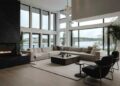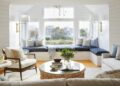

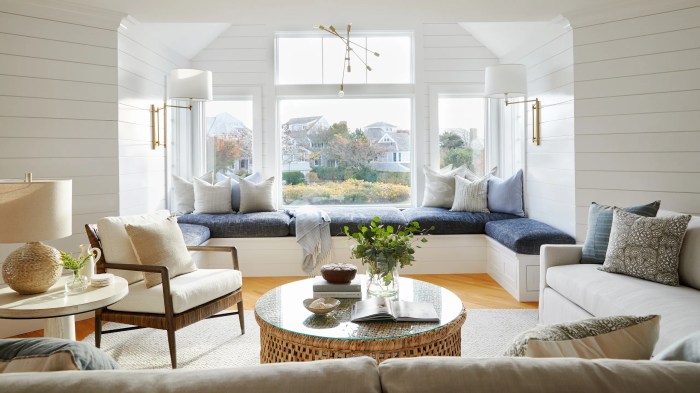
Embark on a journey through the soothing world of coastal interiors, where the tranquility of the sea meets the warmth of home. From breezy color palettes to natural textures, each element is carefully curated to evoke a sense of relaxation and serenity.
Join us as we delve into the essence of coastal interior design, a blend of elegance and comfort that brings the beach vibes indoors.
Coastal Interiors Design Elements
In coastal interiors, design elements are carefully curated to evoke a sense of the seaside. From color schemes to materials used, every aspect contributes to creating a relaxed and airy atmosphere reminiscent of beachfront living.
Color Schemes in Coastal Interior Design
Coastal interiors often feature a palette of soft blues, greens, whites, and sandy neutrals. These colors mimic the hues of the ocean, sky, and sand, bringing a sense of tranquility and serenity to the space. Accents in shades of coral, turquoise, and seafoam can also be incorporated to add pops of color and create a vibrant coastal look.
Use of Natural Materials in Coastal Interior Design
Natural materials play a key role in coastal interior design, adding texture and warmth to the space. Elements such as weathered wood, rattan, jute, and seagrass are commonly used to bring in a touch of nature and create a casual, beach-inspired feel.
Furniture with a distressed finish, driftwood accents, and nautical rope details further enhance the coastal aesthetic, making the space feel inviting and laid-back.
Furniture and Decor
When it comes to coastal interiors, the type of furniture commonly used reflects the relaxed and breezy atmosphere of coastal living. Light-colored, weathered wood furniture pieces are often preferred to create a casual and inviting feel in the space. Furniture with a distressed finish or a whitewashed look adds to the beachy aesthetic.
Decor Items in Coastal Interiors
In coastal interior design, decor items play a crucial role in enhancing the overall theme. Elements such as shells, driftwood, and nautical accents are popular choices to bring a touch of the beach indoors. These items can be incorporated through wall art, decorative accessories, or even as part of furniture pieces like coffee tables or shelves.
Role of Lighting in Coastal Ambiance
Lighting is essential in creating a coastal ambiance within a space. Natural light is key, so maximizing windows and using sheer curtains to let light filter through is important. Additionally, incorporating light fixtures that mimic the look of lanterns or have a nautical theme can further enhance the coastal feel.
Soft, warm lighting can help create a cozy and relaxing atmosphere, perfect for coastal-inspired interiors.
Textures and Fabrics
When it comes to coastal interior design, textures and fabrics play a crucial role in creating the desired aesthetic. By incorporating different textures and fabrics, you can enhance the overall look and feel of a coastal-inspired space.
Textural Elements
In coastal interiors, you will often find a mix of textures that mimic the natural elements found by the sea. This can include rough textures like reclaimed wood, sisal rugs, or woven baskets to bring in a sense of organic charm.
Smooth textures like glass, ceramic, or metal accents can also be used to add a touch of sophistication to the space.
Light and Airy Fabrics
One of the key characteristics of coastal interiors is the use of light and airy fabrics that evoke a sense of relaxation and tranquility. Fabrics like linen, cotton, and sheer curtains are commonly used to create a breezy and effortless vibe.
These fabrics allow natural light to filter through, giving the space an open and airy feel.
Layering Textures
To create depth and visual interest in a coastal-inspired space, it's important to layer different textures and fabrics. Mixing and matching materials like rattan, jute, and soft cotton can add dimension and warmth to the room. By combining various textures, you can achieve a harmonious balance that reflects the beauty of the coast.
Space Planning and Layout
When it comes to coastal interiors, space planning plays a crucial role in creating a light, airy, and relaxed atmosphere that reflects the coastal lifestyle. Unlike other interior design styles, coastal interiors focus on maximizing natural light, creating a seamless flow between indoor and outdoor spaces, and incorporating elements that evoke a sense of tranquility and serenity.
Optimizing Space in a Coastal-Themed Room
In a coastal-themed room, optimizing space is essential to ensure a comfortable and inviting environment. Here are some tips for making the most of your space:
- Choose light and neutral colors to make the room feel more spacious and open.
- Use mirrors to reflect natural light and create the illusion of a larger space.
- Incorporate multi-functional furniture pieces, such as ottomans with storage or a coffee table that can also serve as a dining table.
- Keep the room clutter-free by using smart storage solutions like baskets, shelves, and built-in cabinets.
- Consider the scale of furniture to maintain a balanced and harmonious layout.
Importance of Flow and Open Layouts in Coastal Interior Design
Flow and open layouts are key elements of coastal interior design as they contribute to the sense of spaciousness, airiness, and connection to the outdoors. By creating a seamless transition between different areas of the home, such as the living room, dining area, and outdoor space, you can enhance the overall coastal vibe and make the room feel more cohesive and inviting.
Open layouts also allow for better natural light penetration and ventilation, which are essential in capturing the essence of coastal living.
Bringing the Outdoors In
In coastal interiors, bringing the outdoors in is essential to create a seamless connection with nature and enhance the overall design aesthetic. Incorporating natural elements like plants, using large windows or glass doors to allow for outdoor views, and utilizing outdoor-inspired color palettes are key ways to achieve this.
Incorporating Plants
Plants are a great way to bring a touch of nature indoors and add a refreshing element to coastal interiors. Consider incorporating a variety of plants such as palm trees, succulents, or even a small herb garden to enhance the overall look and feel of the space.
Large Windows and Glass Doors
Large windows or glass doors not only flood the space with natural light but also provide stunning views of the outdoors. This seamless connection between indoor and outdoor spaces creates a sense of openness and allows for a constant visual reminder of the coastal surroundings.
Outdoor-Inspired Color Palettes
Bringing outdoor-inspired color palettes indoors can help create a cohesive design that reflects the coastal environment. Think of soft blues, sandy neutrals, seafoam greens, and crisp whites to mimic the colors of the ocean, sky, and beach. These colors can be incorporated through wall paint, furniture upholstery, and decorative accents to tie the indoor space to its outdoor surroundings.
Last Recap
As we conclude our exploration of coastal interiors, it's evident that this design style offers a unique blend of nature-inspired elements and chic sophistication. The seamless fusion of coastal charm and modern aesthetics creates spaces that exude a sense of calm and tranquility.
Embrace the coastal lifestyle within your own home and let the gentle waves of design wash over you.
Answers to Common Questions
What are some common design elements in coastal interiors?
Common design elements include light colors, natural materials like wood and rattan, and nautical accents such as ropes and anchors.
How can I optimize space in a coastal-themed room?
To optimize space, consider using multifunctional furniture, keeping the layout open and airy, and utilizing light colors to create an illusion of space.
What textures are often seen in coastal interior design?
Textures like weathered wood, sisal rugs, and linen fabrics are commonly used to add depth and a relaxed feel to coastal interiors.