

Bo Bardi introduces us to a fascinating journey through the realm of architecture and design, shedding light on a visionary whose work continues to inspire and influence the creative world.
As we delve deeper into the life and creations of Bo Bardi, we uncover a tapestry of innovation, cultural significance, and timeless design principles that have left an indelible mark on the architectural landscape.
Who is Lina Bo Bardi?
Lina Bo Bardi was an Italian-born Brazilian architect known for her innovative and influential contributions to the fields of architecture and design. She played a significant role in shaping modern architecture with her unique approach that blended modernist principles with local Brazilian culture.
Background and Contributions
Lina Bo Bardi was born in Italy in 1914 and later moved to Brazil, where she made a lasting impact on the architectural landscape. She believed in creating spaces that were not only functional but also reflected the cultural and social context of the place.
Bo Bardi's work often incorporated elements of Brazilian vernacular architecture, such as the use of raw materials and open, flexible spaces.
Significance of Bo Bardi’s Work
Bo Bardi's work is highly regarded for its innovative and human-centered approach to design. She challenged the traditional notions of architecture and pushed boundaries by creating buildings that were both aesthetically pleasing and socially relevant. Her projects often focused on community engagement and sustainability, setting a new standard for modern architecture.
Key Projects and Designs
SESC Pompeia
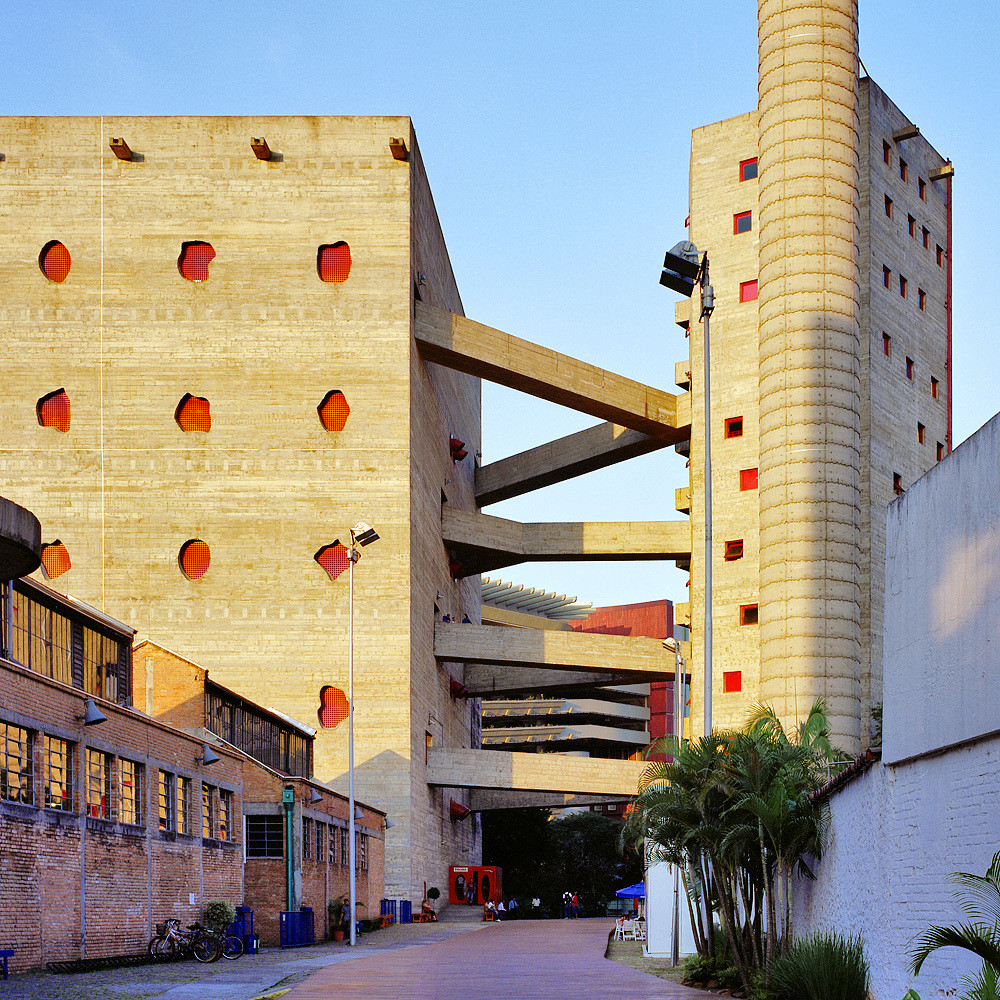
A cultural center in São Paulo that showcases Bo Bardi's signature style of adaptive reuse and integration of industrial elements.
Casa de Vidro (Glass House)
Bo Bardi's own residence in São Paulo, which is considered a masterpiece of modern Brazilian architecture.
MASP (São Paulo Museum of Art)
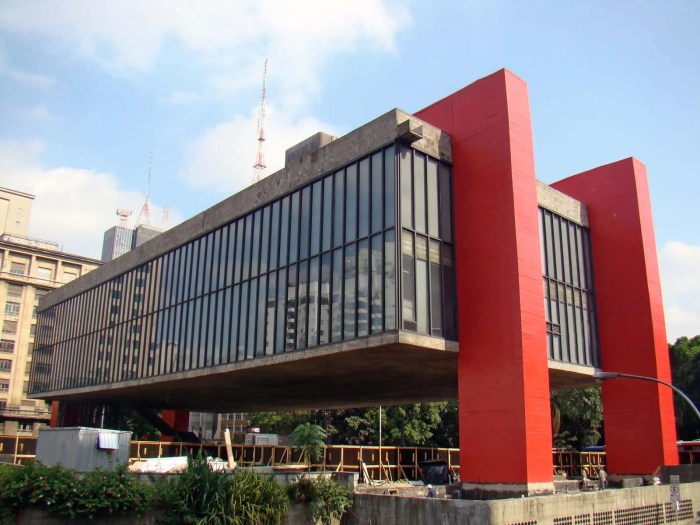
Bo Bardi's redesign of the museum's exhibition space, featuring a bold concrete and glass structure that defies traditional museum design.
Architecture and Design Philosophy
Lina Bo Bardi's architectural style and design philosophy were deeply rooted in her belief that architecture should be a reflection of the culture and environment it serves. She embraced a modernist approach while incorporating elements of Brazilian culture and heritage into her designs.
Influences and Experiences
Bo Bardi's designs were heavily influenced by her surroundings and experiences, particularly in Brazil. Her time spent in Salvador, Bahia, where she immersed herself in the local culture and traditions, had a profound impact on her architectural style. Bo Bardi believed in creating spaces that were not just aesthetically pleasing but also functional and meaningful to the people who used them.
- She incorporated elements of Brazilian vernacular architecture, such as open spaces and natural ventilation, into her designs.
- Bo Bardi's use of local materials, such as wood and concrete, further connected her buildings to their surroundings.
- Her experiences working with marginalized communities also influenced her design philosophy, leading her to prioritize social and cultural considerations in her projects.
Comparison with Other Architects
In comparison to other prominent architects of her time, such as Le Corbusier and Mies van der Rohe, Lina Bo Bardi's approach to architecture stood out for its emphasis on context and social relevance. While she shared the modernist ideals of simplicity and functionality with her peers, Bo Bardi's designs were more responsive to the specific needs and cultural context of the communities she served.
- Unlike the formalism of some of her contemporaries, Bo Bardi's architecture was characterized by a sense of informality and inclusivity.
- Her projects, such as the SESC Pompeia in São Paulo, reflected a deep understanding of the social dynamics and cultural traditions of the local community.
- Bo Bardi's commitment to creating architecture that was both innovative and rooted in its context set her apart as a visionary designer ahead of her time.
Works and Projects
Lina Bo Bardi's architectural projects are renowned for their innovative design approach and thoughtful integration with the surrounding environment. Her works reflect a deep understanding of cultural and social influences, resulting in buildings that are not only aesthetically pleasing but also highly functional.
Notable Architectural Projects
- São Paulo Museum of Art (MASP): One of Lina Bo Bardi's most famous works, the MASP is a striking example of modernist architecture. The building is supported by two massive red concrete pillars, creating a sense of openness and fluidity in the space.
- Casa de Vidro (Glass House): This iconic residence designed by Bo Bardi showcases her use of glass and concrete to create a seamless connection between indoor and outdoor spaces. The house is nestled in the lush greenery of the Morumbi neighborhood in São Paulo.
- SESC Pompéia: Originally an old drum factory, Bo Bardi transformed this space into a vibrant cultural center. The building features exposed concrete structures, open spaces, and a unique integration of industrial elements with artistic and recreational spaces.
Materials and Construction Techniques
Lina Bo Bardi's designs often incorporate local materials such as concrete, glass, and wood, reflecting a commitment to sustainability and a deep connection to the Brazilian landscape. Her use of exposed concrete structures and innovative construction techniques, such as the bold red pillars at MASP, showcases her experimental and avant-garde approach to architecture.
Cultural and Social Influences
Bo Bardi's architectural works are deeply rooted in the cultural and social context of Brazil. She believed in creating spaces that were accessible to all, regardless of social background, and her designs often reflect a sense of inclusivity and community engagement.
By incorporating elements of Brazilian culture and history into her projects, such as the use of traditional materials and references to indigenous architecture, Bo Bardi sought to celebrate the country's rich heritage and promote a sense of national identity through her work.
Legacy and Impact
Lina Bo Bardi's legacy in architecture and design continues to resonate in the contemporary world, shaping the way architects and designers approach their work. Her innovative ideas and principles have left a lasting impact on the industry, influencing the way spaces are designed and experienced.
Influence on Contemporary Architecture and Design
- Bo Bardi's focus on incorporating local materials and engaging with the cultural context of a site has inspired architects to create more sustainable and community-oriented designs.
- Her belief in the importance of social responsibility in architecture has encouraged a shift towards more inclusive and accessible spaces that prioritize the needs of all individuals.
- The flexibility and adaptability of Bo Bardi's designs have influenced contemporary architects to think beyond traditional boundaries and explore new possibilities in spatial arrangements.
Preservation of Lina Bo Bardi’s Legacy
Exhibitions, publications, and initiatives dedicated to preserving Lina Bo Bardi's legacy have played a crucial role in ensuring that her work continues to be celebrated and studied. Institutions like the Instituto Lina Bo e P.M. Bardi in Sao Paulo have been instrumental in promoting her legacy and educating future generations about her contributions to architecture and design.
Ending Remarks
In conclusion, the legacy of Bo Bardi stands as a testament to the power of bold ideas, thoughtful design, and a deep understanding of the intersection between culture and architecture. Her influence reverberates through the corridors of contemporary design, shaping the way we perceive and create spaces for generations to come.
FAQ Insights
Who was Lina Bo Bardi?
Lina Bo Bardi was an Italian-born Brazilian architect known for her innovative designs and unique approach to architecture, blending modernism with elements of Brazilian culture.
What were some key projects associated with Lina Bo Bardi?
Some of Lina Bo Bardi's notable projects include the São Paulo Museum of Art (MASP) and the Glass House in São Paulo, both of which showcase her distinct architectural style.
How did Lina Bo Bardi's designs reflect cultural and social influences?
Lina Bo Bardi's designs often incorporated elements of Brazilian culture and addressed social issues, reflecting her deep connection to the local environment and communities.