

Embark on a journey through the enchanting realm of garden architecture, where nature meets design in a harmonious blend of beauty and functionality. From traditional elegance to modern innovation, this topic delves into the intricate details that shape our outdoor spaces.
Discover the artistry behind garden architecture and uncover the secrets to creating captivating landscapes that stand the test of time.
Overview of Garden Architecture
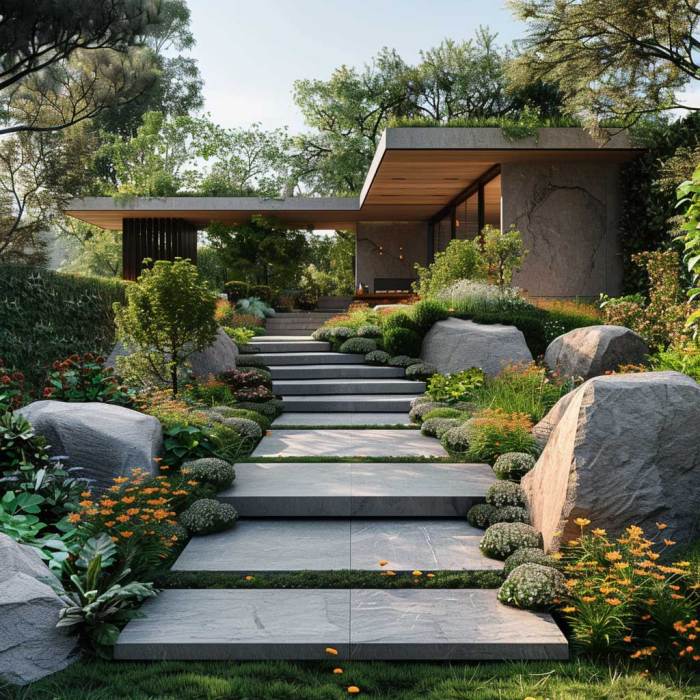
Garden architecture is the art and science of designing and creating outdoor spaces that are not only aesthetically pleasing but also functional. It involves the careful planning and arrangement of plants, trees, pathways, water features, and other elements to enhance the beauty and usability of a garden.
Garden architecture plays a crucial role in landscape design as it helps in creating harmonious and balanced outdoor environments that can be enjoyed by people.
Importance of Garden Architecture in Landscape Design
Garden architecture is essential in landscape design as it helps in organizing and structuring outdoor spaces in a visually appealing and functional way. It allows designers to create different zones within a garden, such as seating areas, walking paths, and plant beds, to enhance the overall experience of the space.
By incorporating elements like focal points, symmetry, and rhythm, garden architecture adds depth and interest to the landscape design.
Examples of Famous Garden Architectural Styles
French Formal Garden
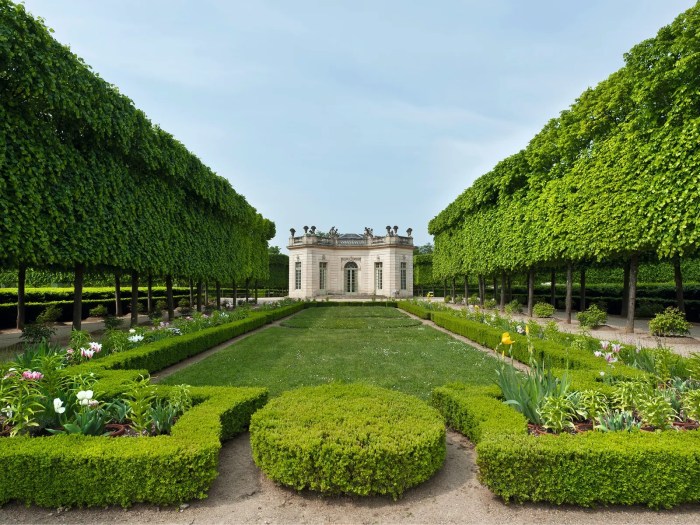
Known for its geometric patterns, symmetry, and formal layout, the French formal garden style is characterized by clipped hedges, topiaries, and elaborate fountains.
Japanese Zen Garden
A style that emphasizes simplicity, tranquility, and the use of natural elements such as rocks, sand, and moss to create a harmonious and meditative space.
English Cottage Garden
Featuring a more relaxed and informal design, English cottage gardens are known for their colorful flower borders, winding pathways, and abundance of plants.
Relationship between Garden Architecture and Environmental Sustainability
Garden architecture plays a significant role in promoting environmental sustainability by incorporating eco-friendly practices and materials into landscape design. Designers can use native plants, rainwater harvesting systems, and permeable paving to reduce water consumption, minimize waste, and support local biodiversity.
By creating green spaces that are in harmony with nature, garden architecture contributes to the overall health of the environment and helps mitigate the impacts of climate change.
Elements of Garden Architecture
Garden architecture encompasses various elements that contribute to the overall design and functionality of a garden space. These elements are crucial in creating a harmonious and aesthetically pleasing outdoor environment. Let's delve into the key components that make up garden architecture.
Traditional vs. Modern Garden Architectural Elements
In traditional garden architecture, elements such as formal symmetry, geometric patterns, and classical ornamentation are prevalent. These designs often reflect historical styles and cultural influences. On the other hand, modern garden architecture embraces simplicity, minimalism, and the use of innovative materials.
Clean lines, open spaces, and sustainability are key features of modern garden design.
Role of Sculptures, Water Features, and Pathways
Sculptures, water features, and pathways play essential roles in garden architecture. Sculptures can serve as focal points, adding artistic flair and visual interest to the landscape. Water features like fountains, ponds, or waterfalls create a sense of tranquility and provide a soothing ambiance.
Pathways guide visitors through the garden, enhancing accessibility and allowing for exploration of different areas.
Significance of Plant Selection and Arrangement
Plant selection and arrangement are fundamental aspects of garden architecture. The choice of plants determines the overall look and feel of the garden, from colors and textures to seasonal interest and biodiversity. Proper arrangement of plants in terms of scale, proportion, and balance is crucial in creating cohesive and harmonious compositions.
Additionally, considerations such as sun exposure, soil conditions, and maintenance requirements play a significant role in the success of garden plantings.
Design Principles in Garden Architecture
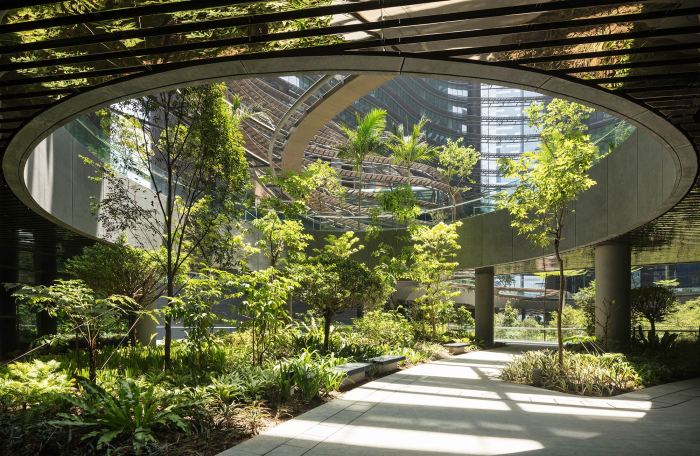
In garden architecture, design principles play a crucial role in creating aesthetically pleasing and functional outdoor spaces that harmonize with nature. These principles guide designers in organizing elements such as plants, pathways, water features, and structures to achieve a balanced and visually appealing composition.
Balance and Symmetry
Balance and symmetry are key design principles that are often incorporated in garden architecture to create a sense of harmony and order. Balance refers to the distribution of visual weight in a space, achieved through the arrangement of elements such as plants, hardscape features, and focal points.
Symmetry involves creating a mirrored or evenly distributed layout, where elements on one side of a central axis match those on the other side.
- Balance can be achieved through the strategic placement of different elements in a garden, ensuring that the overall design feels harmonious and well-proportioned.
- Symmetry can be used to create a formal and structured look in a garden, with pathways, planting beds, and other features arranged in a mirror image on either side of a central axis.
Color, Texture, and Scale
Color, texture, and scale are important considerations in garden architectural design, adding visual interest and depth to outdoor spaces. The use of a diverse color palette, varied textures, and appropriate scale can enhance the overall aesthetic appeal of a garden.
- Color can be used to create focal points, evoke emotions, and establish a cohesive theme throughout the garden. Warm colors like reds and oranges can add energy, while cool colors like blues and greens can create a calming effect.
- Texture refers to the surface quality of plants, materials, and structures in a garden. Combining a mix of textures, such as soft foliage, rough stone, and smooth water features, can create visual contrast and tactile interest.
- Scale relates to the size of elements in relation to one another and the overall space. By varying the scale of plants, pathways, and structures, designers can create depth and visual hierarchy in a garden design.
Perspectives and Focal Points
In garden architecture, perspectives and focal points are used to draw the viewer's eye and create visual interest within the landscape. Perspectives involve the manipulation of sightlines and views to reveal different parts of the garden gradually, enhancing the sense of discovery and engagement.
Perspectives and focal points can be created through the strategic placement of elements such as pathways, sculptures, water features, and plantings to guide the viewer's gaze and create moments of interest and beauty.
Historical Evolution of Garden Architecture
Garden architecture has a rich history that dates back to ancient civilizations and has evolved over time to shape the landscapes we see today. Throughout history, various key influencers, movements, and cultural influences have played a significant role in shaping garden architectural styles in different regions.
Ancient Civilizations
In ancient civilizations such as Mesopotamia, Egypt, Persia, and China, gardens were designed as symbols of power, wealth, and status. These early gardens featured geometric layouts, water features, and lush greenery, showcasing the importance of nature in human society.
Renaissance Period
During the Renaissance period in Europe, garden architecture experienced a revival inspired by the classical gardens of ancient Rome and Greece. Influential figures like Andrea Palladio and Andre Le Notre introduced formal garden designs with symmetrical layouts, elaborate terraces, and intricate fountains, reflecting the ideals of harmony and balance.
Victorian Era
In the Victorian era, garden architecture became a popular expression of wealth and social status. Elaborate gardens with colorful flower beds, ornate gazebos, and winding pathways became fashionable among the upper class, showcasing the influence of romanticism and sentimentalism on garden design.
Modern Times
In modern times, the revival of historical garden architecture has become a prominent trend in contemporary designs. Landscape architects and designers draw inspiration from past styles while incorporating sustainable practices, innovative technologies, and artistic expressions to create unique and functional outdoor spaces that reflect the cultural heritage of each region.
Final Review
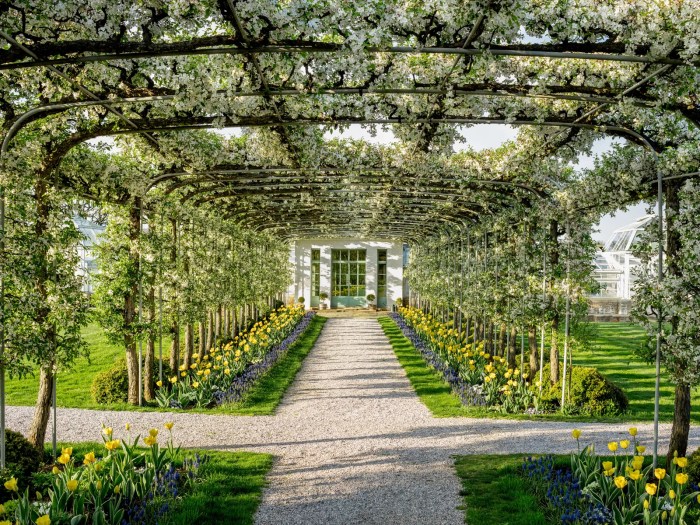
As we conclude this exploration of garden architecture, it becomes clear that these outdoor spaces are not just mere gardens but living works of art that breathe life into our surroundings. Dive into the world of garden architecture and let your imagination bloom amidst the beauty of nature and design.
Query Resolution
What is the significance of plant selection in garden architecture?
Plant selection plays a crucial role in garden architecture as it determines the overall aesthetic appeal and functionality of the space. Different plants can evoke various moods and themes, enhancing the design of the garden.
How are balance and symmetry integrated into garden architecture?
Balance and symmetry are key design principles in garden architecture that help create a sense of harmony and order. These elements ensure that the space feels visually cohesive and pleasing to the eye.
What historical influences have shaped garden architectural styles?
Garden architectural styles have been influenced by various historical movements and cultural traditions, leading to a diverse range of design aesthetics seen in gardens around the world.